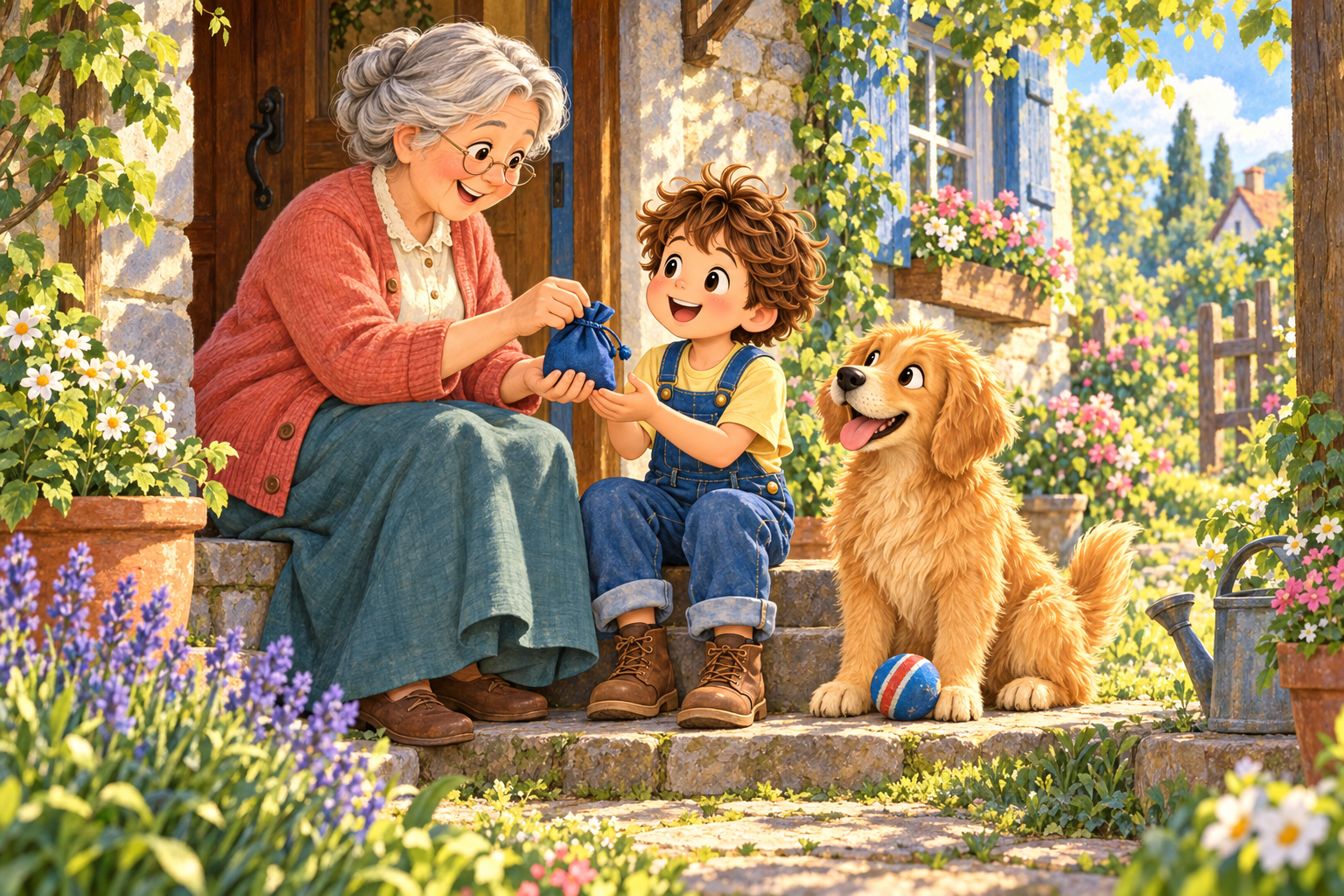
全书 · 第1–32页
想长大的小硬币
作者:Fun Pilsner · 免费阅读,无需注册。
亚历克斯有十枚硬币,还想要一只龙形纸风筝。跟着他一起认识花钱、存钱和投资,聊聊选择,也认识结果的不确定性。
免费插图草稿。AI译稿、AI朗读和后半部分插图仍待审阅;措辞与发音等待中文老师核对。
全书32页均可收听朗读。
打开全书书本视图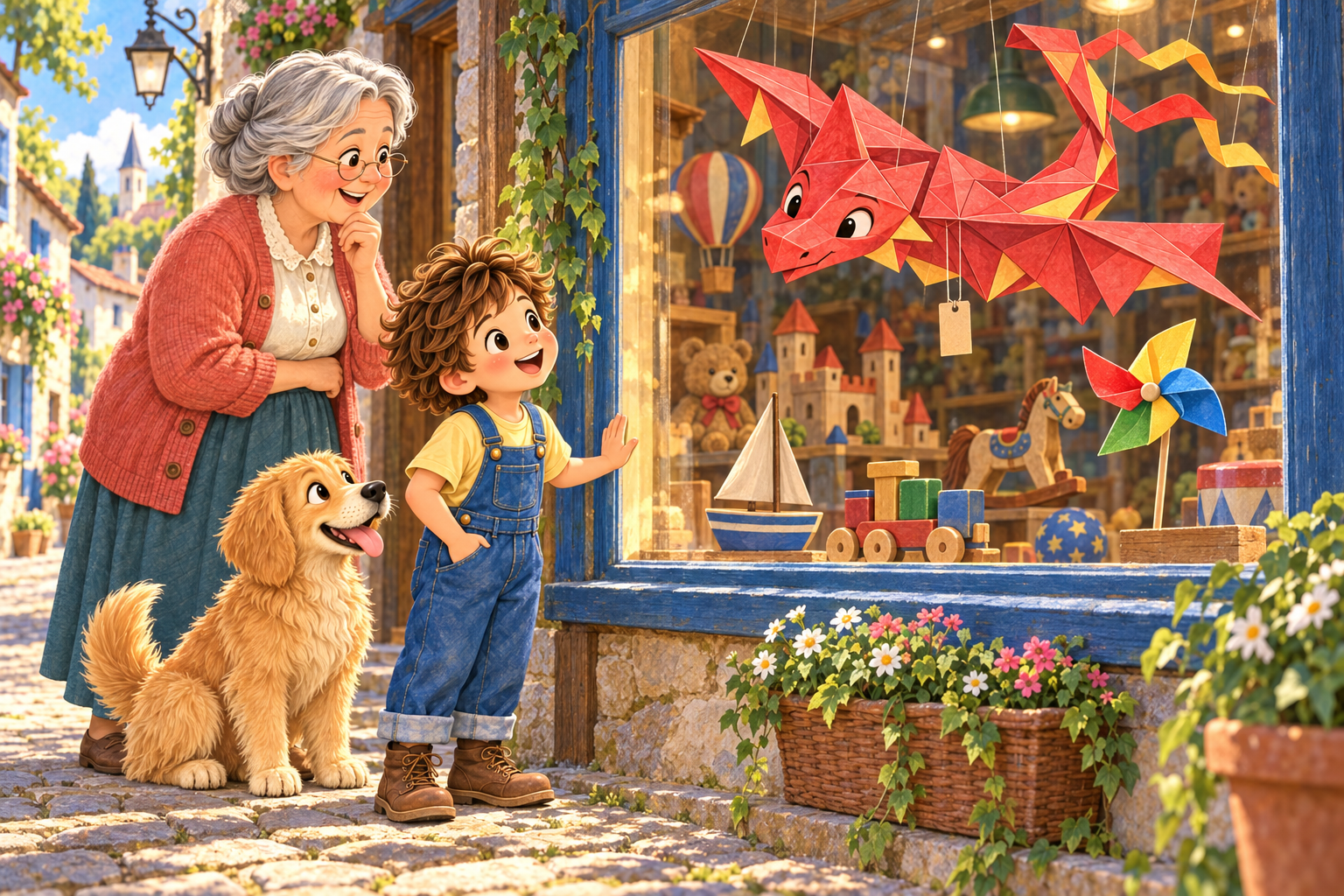
03打开英语版
商店的橱窗里,飘着一只红色的龙形风筝。
简直像一条真龙。只不过,它是纸做的,还系着一根线。
价签上写着:十枚硬币。
亚历克斯伸手按住了口袋。
“我现在就能买下它!”
对照英语原文
A red dragon floated in the shop window.
Almost a real one. Except it was made of paper, with a string to hold on to.
The price tag said: TEN COINS.
Alex pressed a hand against his pocket.
“I could buy it right now!”
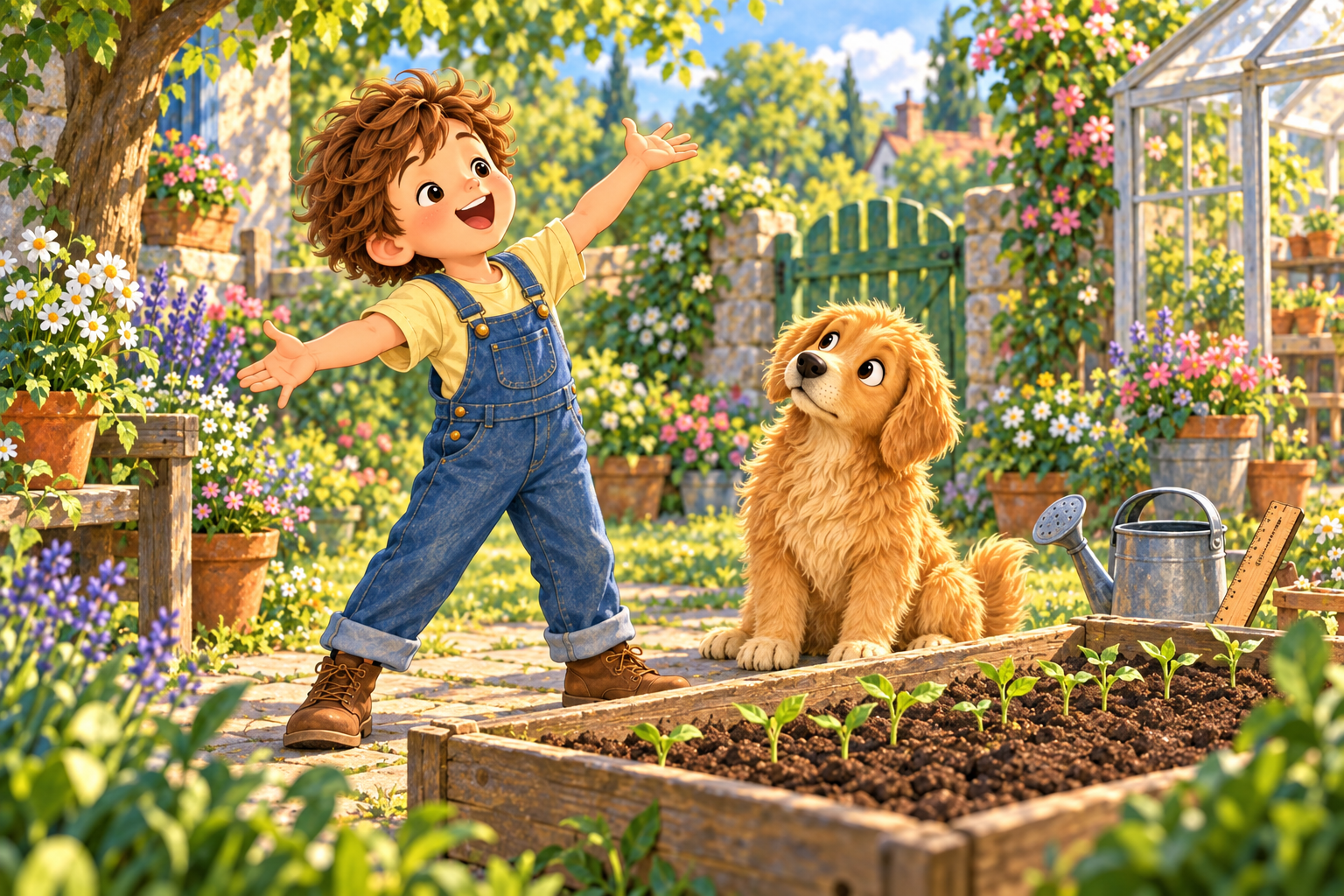
04打开英语版
“要不要留几枚,以后再用?”奶奶问。
“那就不够买那只龙形风筝了。”亚历克斯说。
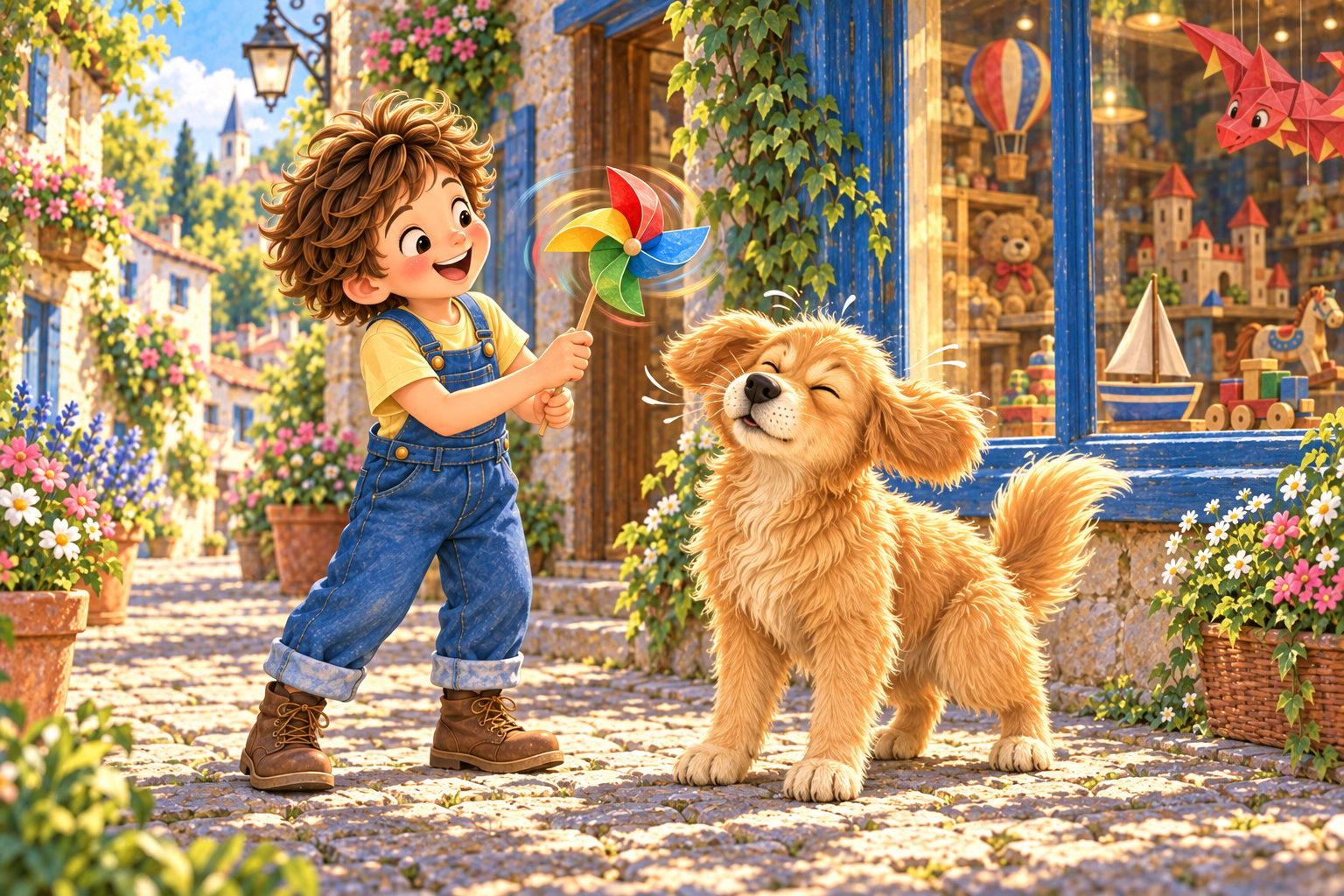
橱窗下方,一只小风车正转个不停。
龙形风筝一动不动地挂着。
小风车倒是已经找到了风。
对照英语原文
“Would you like to keep some for later?” Grandma asked.
“Then I wouldn't have enough for the dragon,” said Alex.
At the bottom of the window, a little pinwheel spun.
The dragon hung still.
The pinwheel had already found some wind.
07打开英语版
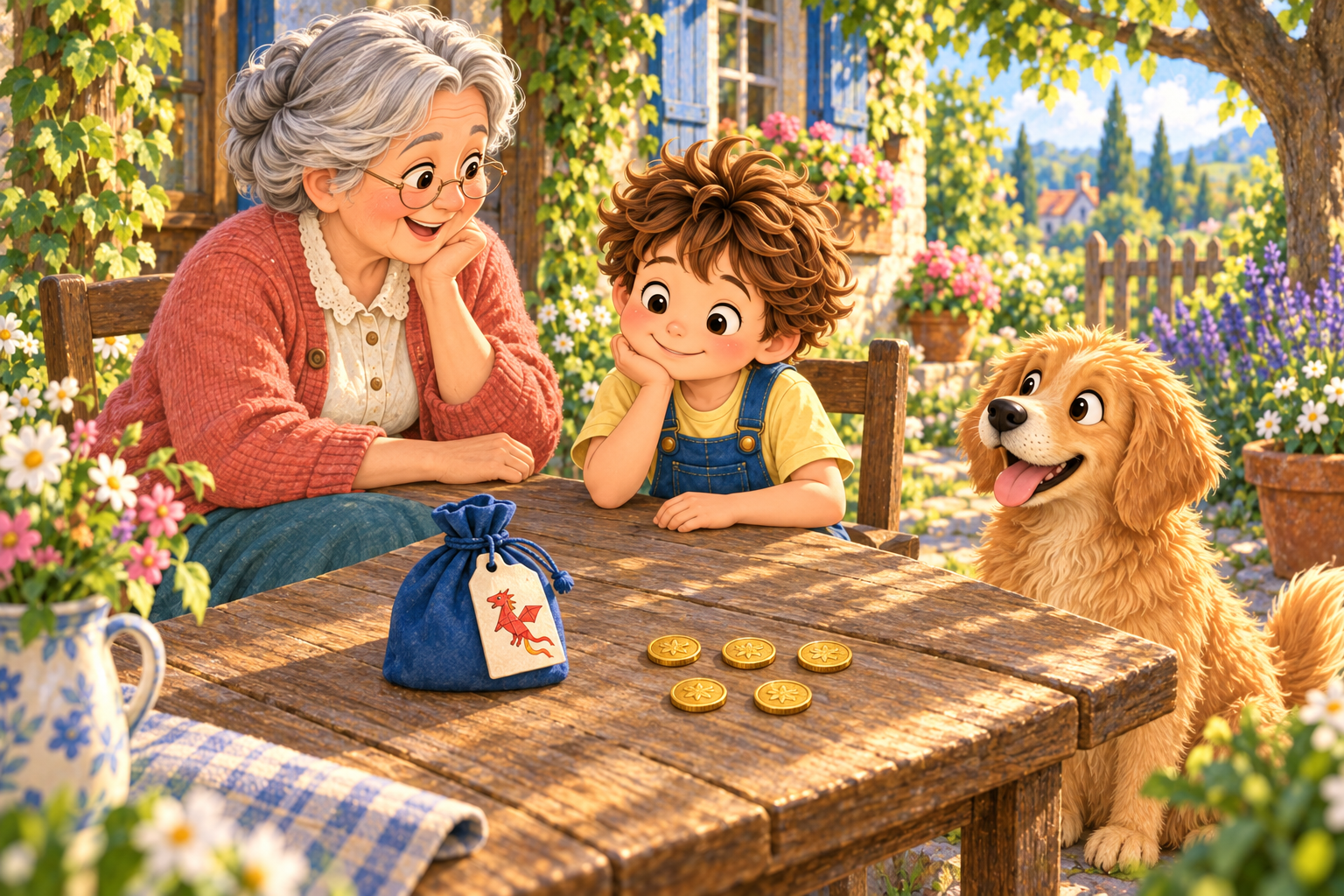
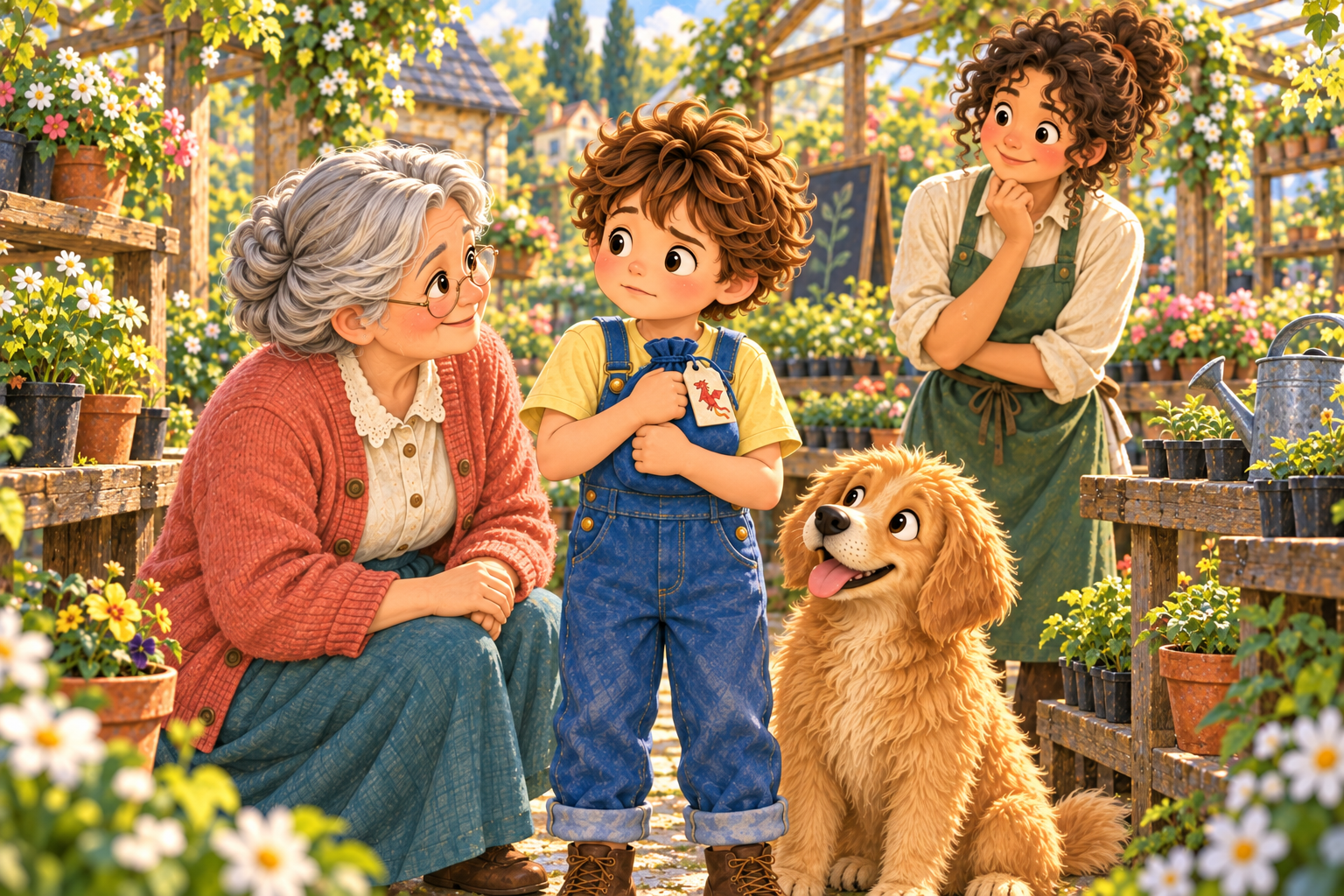
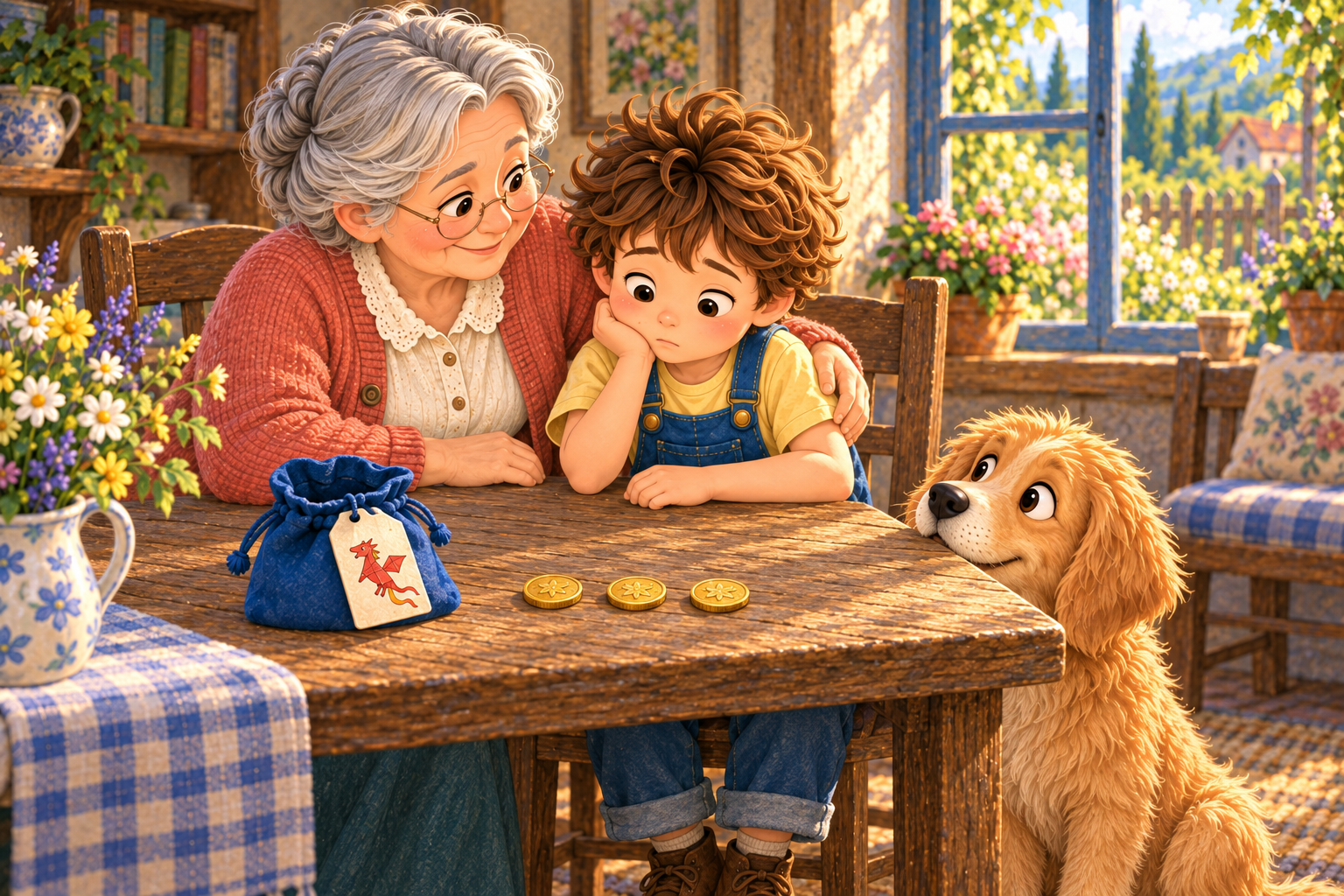
回到家,亚历克斯把三枚硬币收进一个蓝色的小袋子。
“留着买那只大大的龙形风筝。等以后。”
他在标签上画了一条龙,然后拉紧了袋口的绳子。
这些硬币就是他的积蓄——现在先留着,以后再用的钱。
对照英语原文
At home, Alex tucked three coins into a blue pouch.
“For the big dragon. Someday.”
He drew a dragon on the tag and pulled the pouch shut.
Those coins were his savings: money he was keeping now to use later.
08打开英语版
桌上放着五枚硬币。
“这几枚也要收起来吗?”
“可以呀。”奶奶说,“也可以先了解一下,把钱投进一门生意是怎么回事。这就叫投资。”
亚历克斯看着那些硬币。
“什么样的生意呢?”
对照英语原文
Five coins lay on the table.
“Should I put these away too?”
“You could,” said Grandma. “Or we could find out about putting money into a business. That's called investing.”
Alex looked at the coins.
“What kind of business?”
09打开英语版
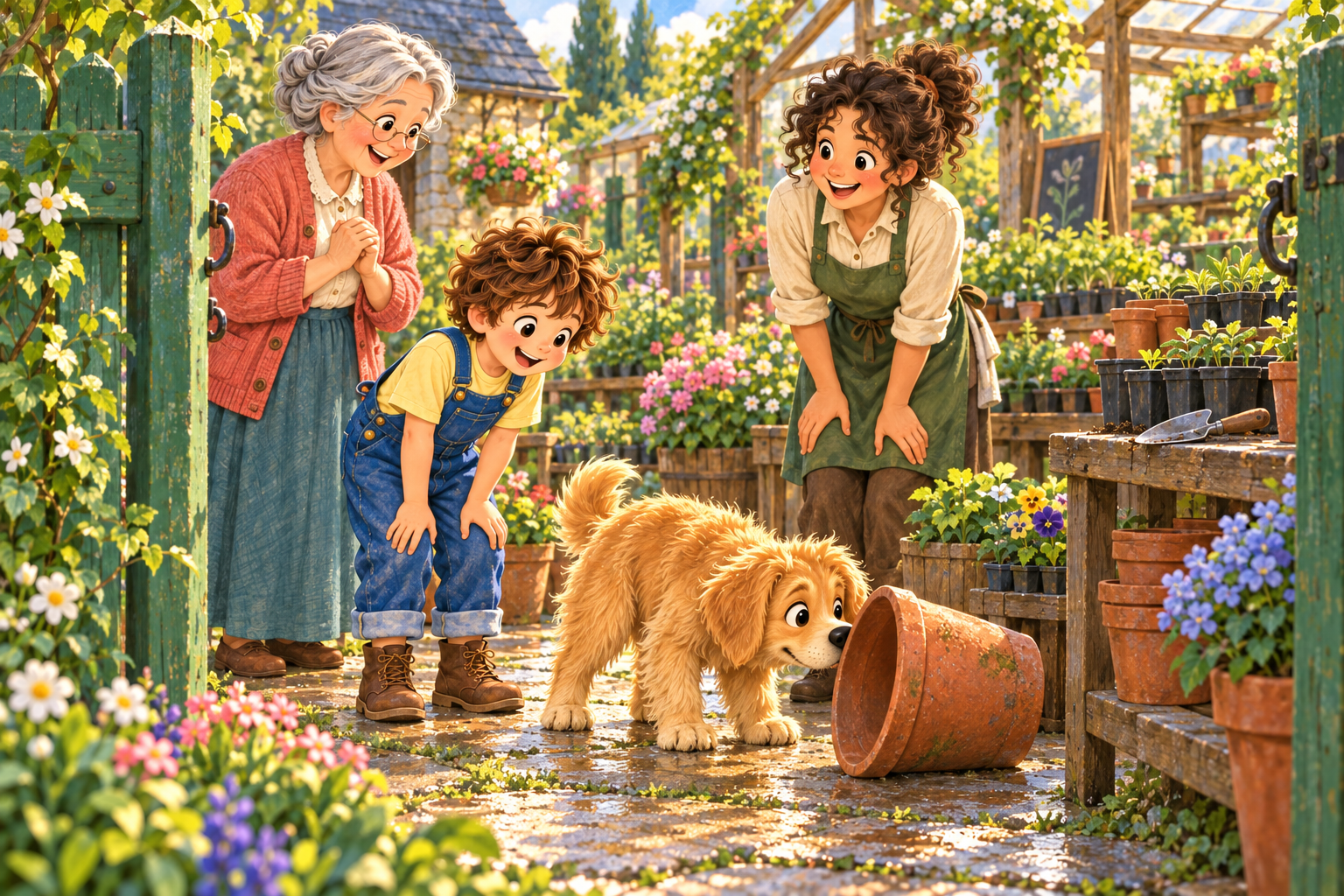
绿色的小门后面,邻居们种着准备卖的小苗。
空气里有泥土的气味、雨水打湿的木头的气味,还有春天的气味。
“我们需要新的育苗盘和种子。”苗圃的主人告诉他们。
巴迪把鼻子伸进一个空花盆。
花盆打了个喷嚏。
对照英语原文
Behind a green gate, their neighbors grew young plants to sell.
It smelled of soil and rain-soaked wood and spring.
“We need new trays and seeds,” the owner told them.
Buddy poked his nose into an empty flowerpot.
The flowerpot sneezed.
11打开英语版
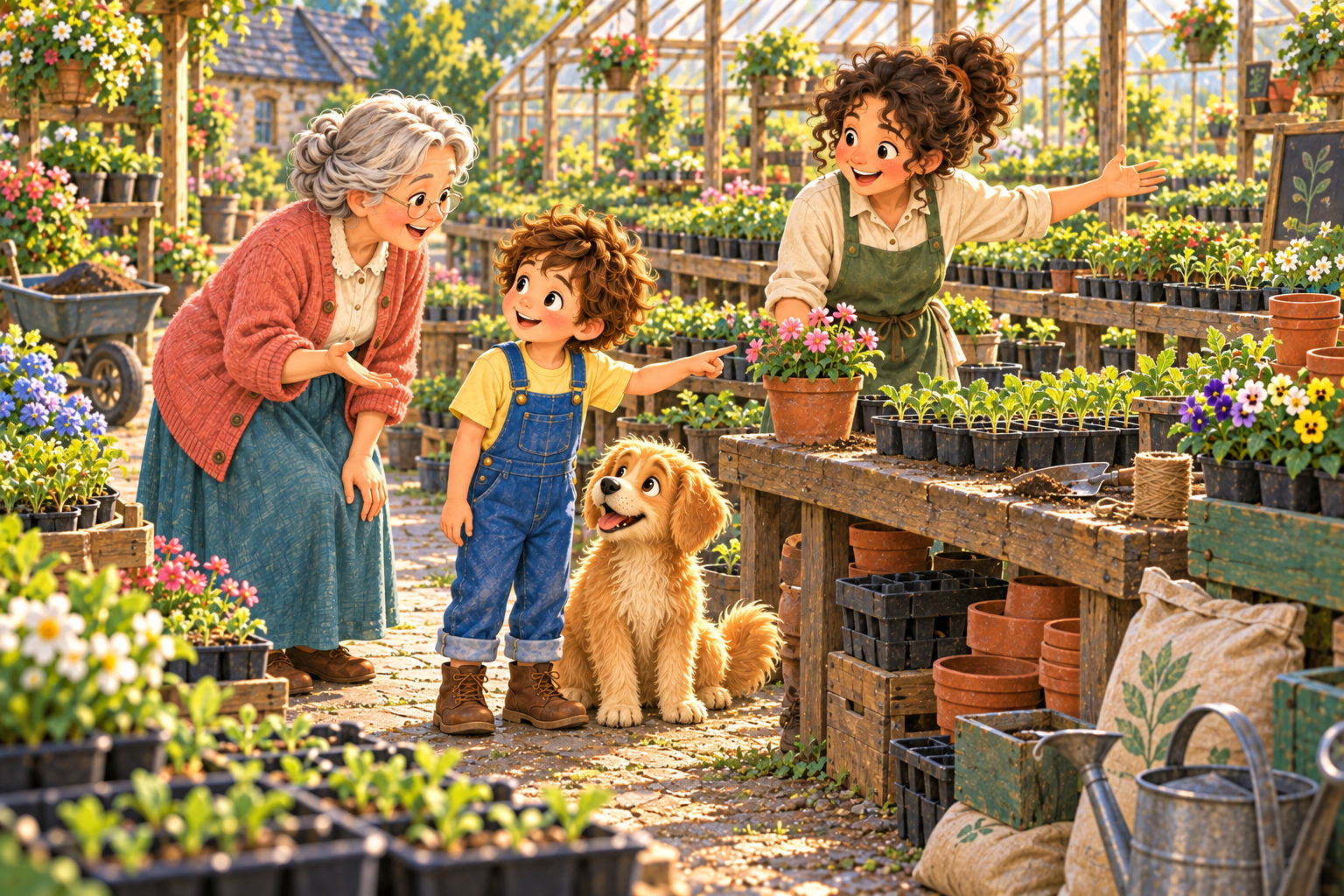
“不是哦。”奶奶笑着说,“硬币种在土里,可不会长大。”
“人们用钱买种子、育苗盘和工具,再用心干活,种出别人愿意买的小苗。”
“所以,长大的是生意?”
“就是这个意思。”
对照英语原文
“No,” said Grandma, smiling. “A coin won't grow in the ground.”
“People use the money to buy seeds, trays, and tools. Then they work hard to grow plants that other people will want to buy.”
“So it's the business that grows?”
“That's the idea.”
12打开英语版
苗圃的主人带着他们四处看了看。
“你可以买下我们这门生意的一小份。这样,你也是它的主人之一了。”
“那朵花就归我了吗?”
“是整个生意的一小份。”奶奶解释说,“不是单独的某一个花盆。”
对照英语原文
The owner showed them around the plant nursery.
“You could buy a small share of our business. Then you'd be one of its owners.”
“Would that flower be mine?”
“A share of the whole business,” Grandma explained. “Not one particular flowerpot.”
13打开英语版
“那我能拿到钱吗?”亚历克斯问。
“有可能呀。生意得先付清各项开销。如果还有剩下的钱,那就叫利润。这门生意的主人们可以决定,要不要把利润分一分。”
“就算我只占小小一份,也可以吗?”
“要是分利润,你分到的那份也会小一些。”
对照英语原文
“Would I get any money?” asked Alex.
“Maybe. First the business has to pay its bills. If there's money left after that, it's called profit. The owners may decide to share it.”
“Even if my share of the business is little?”
“Then your part of the profit would be little too.”
14打开英语版
“要是没人买花呢?”
“生意可能会亏钱。你投进去的钱,也可能损失一部分,甚至全部。”
亚历克斯安静了一会儿。
“那蓝色小袋子里的硬币就不投进来了。它们是留着买那只龙形风筝的。”
对照英语原文
“What if nobody buys the flowers?”
“The business could lose money. And you could lose some of the money you put in. Or all of it.”
Alex was quiet for a moment.
“Then I'm keeping the coins in my blue pouch out of this. I need those for the dragon.”
15打开英语版
在奶奶的帮助下,亚历克斯把三枚硬币投进了苗圃的生意。
他们在本子上记下了他拥有的那一小份。
这三枚硬币已经不在他口袋里了。它们投进了生意里。
两枚硬币躺在他的手心里。
还有三枚,依旧好好地收在蓝色小袋子里。
对照英语原文
With Grandma's help, Alex put three coins into the nursery business.
They wrote down his little share in a notebook.
Those three coins weren't in his pocket anymore. They had gone into the business.
Two coins lay on his palm.
And three were still tucked away in the blue pouch.
16打开英语版
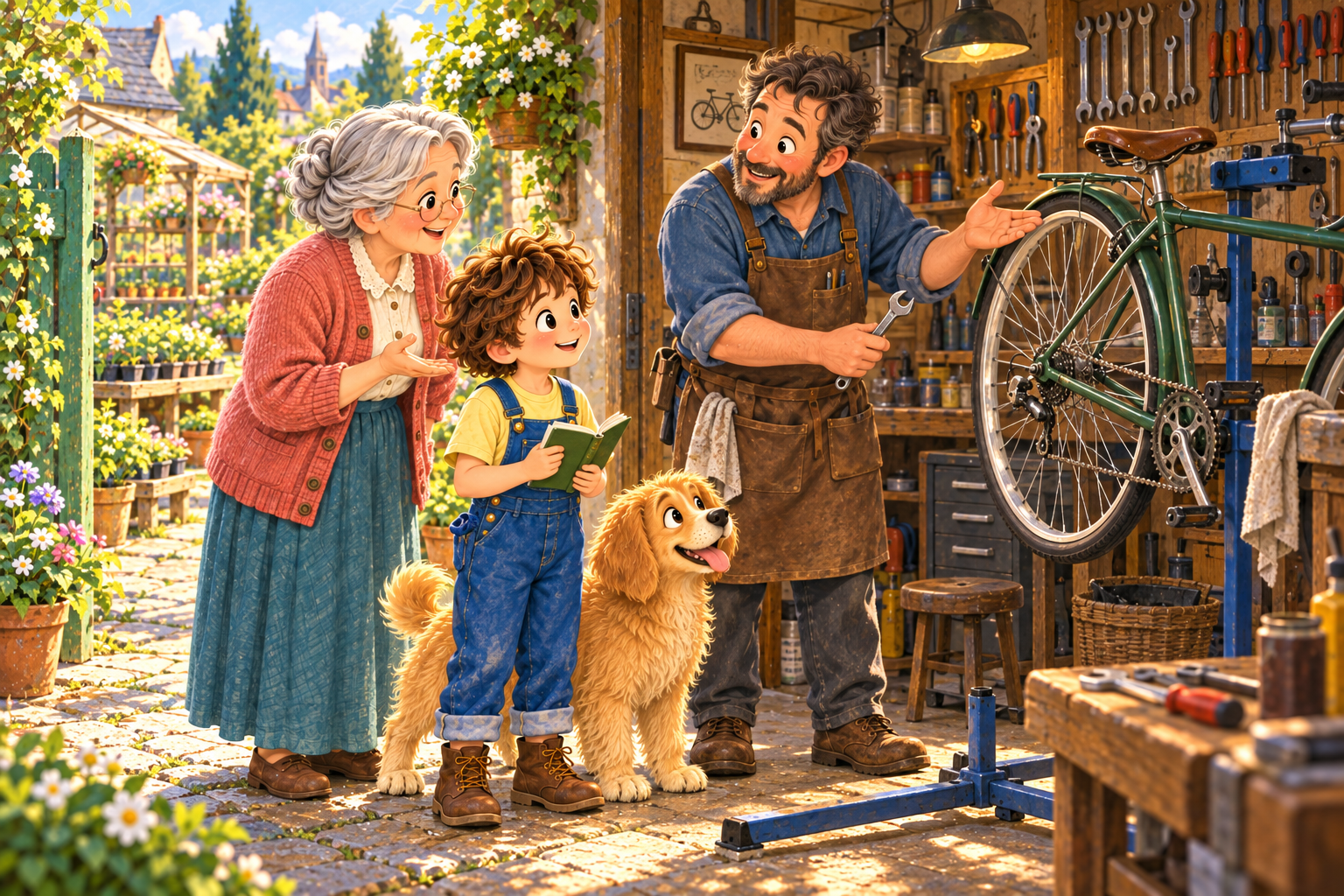
隔壁是一家自行车修理店。
叮铃!车铃响了一声。
这里需要的是工具,不是种子。
亚历克斯和奶奶向修车师傅打听他的工作,还有店里都要花哪些钱。
亚历克斯决定,用手里最后的两枚硬币,也买下这门生意的一小份。
对照英语原文
Next door was a bicycle repair shop.
Ding! went a bell.
This place needed tools instead of seeds.
Alex and Grandma asked the repairman about his work and what the shop had to pay for.
Alex decided to use his last two coins to buy a small share of this business too.
17打开英语版
“这样,就不全靠花了。”亚历克斯说。
“对呀。一门生意可能做得不错,另一门却不一定。不过,修理店也可能亏钱。”奶奶说。
亚历克斯在一张卡片上画了朵花,在另一张上画了个车轮。
巴迪还不忘瞄着那个车轮。
对照英语原文
“Now it doesn't all depend on the flowers,” said Alex.
“That's right. One business may do well while another doesn't. But the repair shop could lose money too,” said Grandma.
Alex drew a flower on one card and a wheel on another.
Buddy kept one eye on the wheel.
19打开英语版
“可这都已经是明天了!”又过了一天,亚历克斯说。
奶奶拿日历给他看。
这一页过去,下一页来了。可不会因为新的一天到了,新顾客就自己跟着来了。
亚历克斯又翻了一页。
万一呢。
对照英语原文
“But it's tomorrow already!” Alex said the next day.
Grandma showed him the calendar.
One page had given way to the next. But a new morning didn't bring new customers all by itself.
Alex turned another page.
Just in case.
20打开英语版
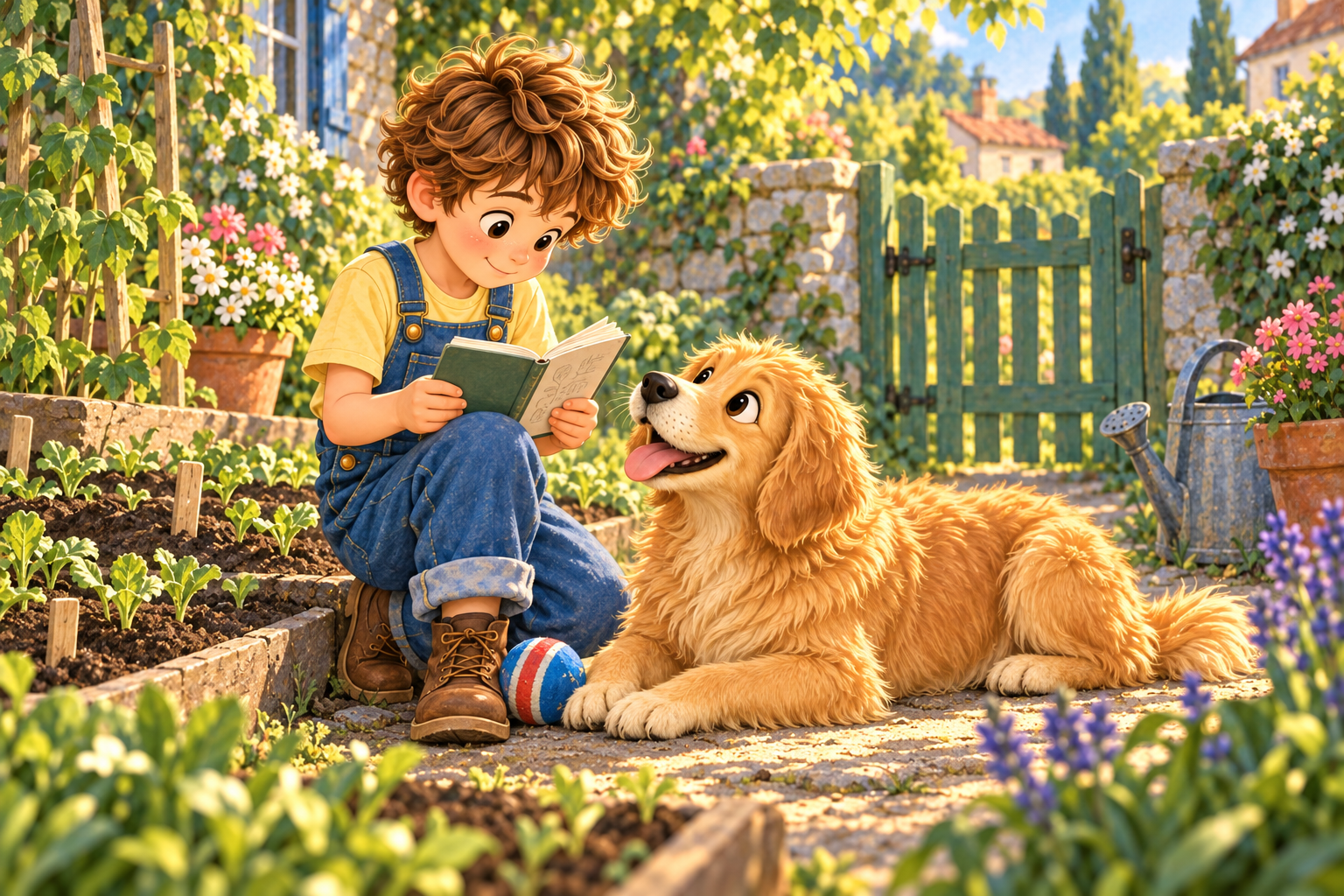
巴迪叼来了他的球。
亚历克斯看着小苗。
巴迪把球放在亚历克斯的鞋子上。
亚历克斯又去看本子。
于是,巴迪横着躺在了小路上。
这座园子里,有个家伙等的不是钱。
他等的是亚历克斯。
对照英语原文
Buddy brought his ball.
Alex watched the seedlings.
Buddy put the ball on Alex's shoe.
Alex checked the notebook.
So Buddy lay right across the path.
Someone in this garden wasn't waiting for money.
He was waiting for Alex.
21打开英语版
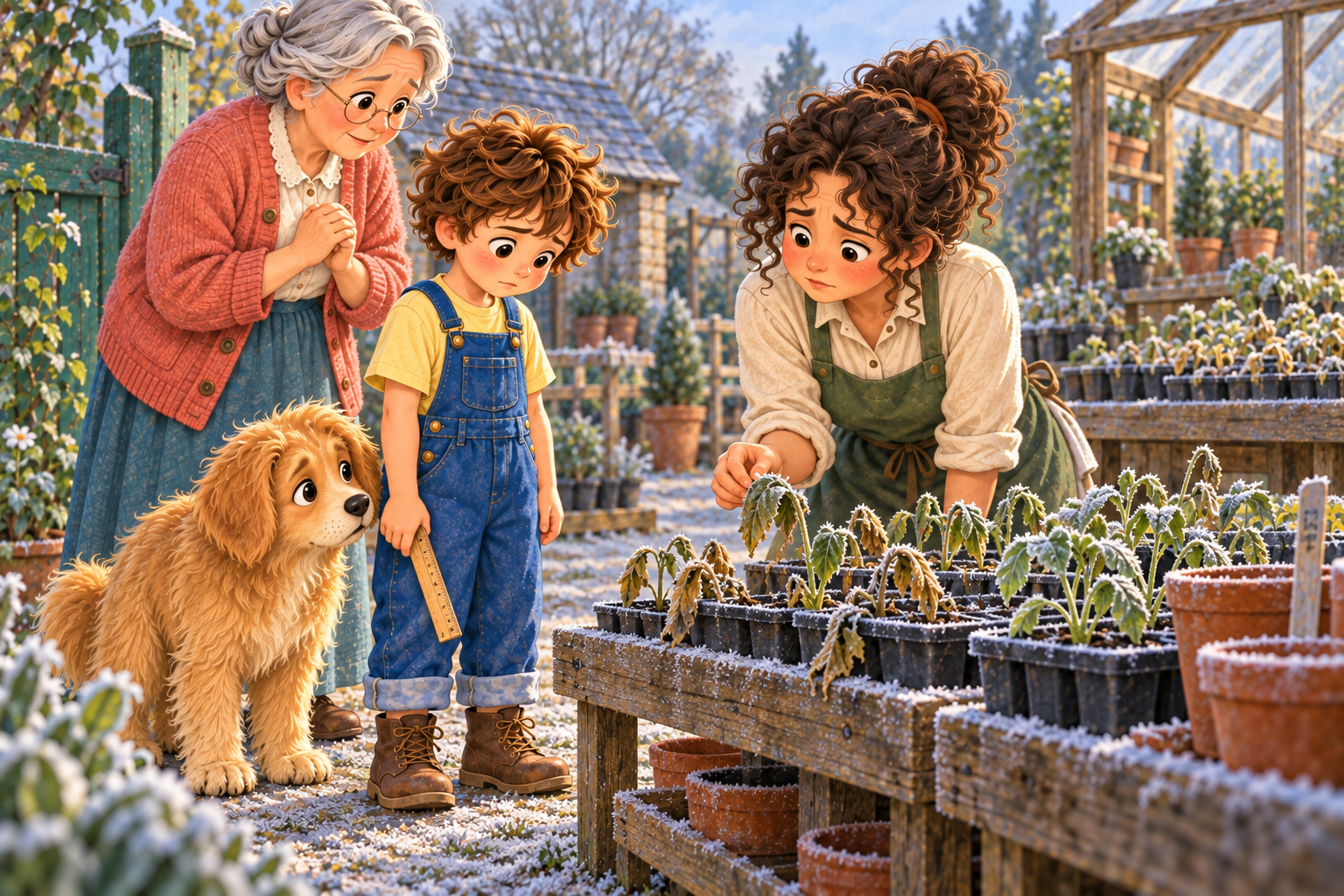
一天夜里,霜冻悄悄来了,谁也没料到。
到了早上,有些小苗已经蔫了。
苗圃的主人轻轻托起一片片小叶子。可有些小苗,已经救不回来了。
亚历克斯不再转动手里的尺子。
园子里静悄悄的。
对照英语原文
One night, an unexpected frost crept in.
By morning, some of the seedlings had wilted.
The owner gently lifted their little leaves. But some of the plants couldn't be saved.
Alex stopped turning the ruler in his hands.
The garden was very quiet.
22打开英语版
“这些小苗卖不出去了。”苗圃的主人说。
买种子和育苗盘的钱已经花出去了。苗圃收到的钱,还不够抵上这些开销。
生意亏了钱。亚历克斯拥有的那一小份,也没以前那么值钱了。
忽然间,他好想再看见自己的那三枚硬币。
对照英语原文
“We won't be able to sell these plants,” said the owner.
The money for their seeds and trays had already been spent. The nursery hadn't earned enough to cover all those costs.
The business had lost money. Alex's little share was worth less now too.
All at once, he wished he could see his three coins again.
23打开英语版
“是因为我老想让一切快一点吗?”
“不是的。”奶奶说,“霜冻不是你带来的。就算是好生意,也可能遇上麻烦。”
“要是我再多等一阵子,钱就都能回来吗?”
奶奶把他搂进怀里。
“有可能。但谁也不能保证。”
对照英语原文
“Was it because I kept trying to hurry things?”
“No,” said Grandma. “You didn't bring the frost. Even a good business can run into trouble.”
“If I wait longer, will it all come back?”
Grandma put her arms around him.
“It might. But no one can promise.”
24打开英语版
回到家,亚历克斯打开了蓝色小袋子。
一枚。两枚。三枚。
他存下的硬币还好好地在里面。这些钱没有投进苗圃。
他把另外两枚硬币投进了修理店——那是另一门生意。
亚历克斯又拉紧了袋口的绳子。
对照英语原文
At home, Alex opened the blue pouch.
One. Two. Three.
His saved coins were still there. He hadn't put them into the nursery.
He had put two coins into the repair shop—a different business altogether.
Alex pulled the pouch shut again.
25打开英语版
第二天,亚历克斯又拿起了尺子。
他在门边站了一会儿。
然后,把尺子放了回去。
“走吧,巴迪。我可以晚点再去看看。”
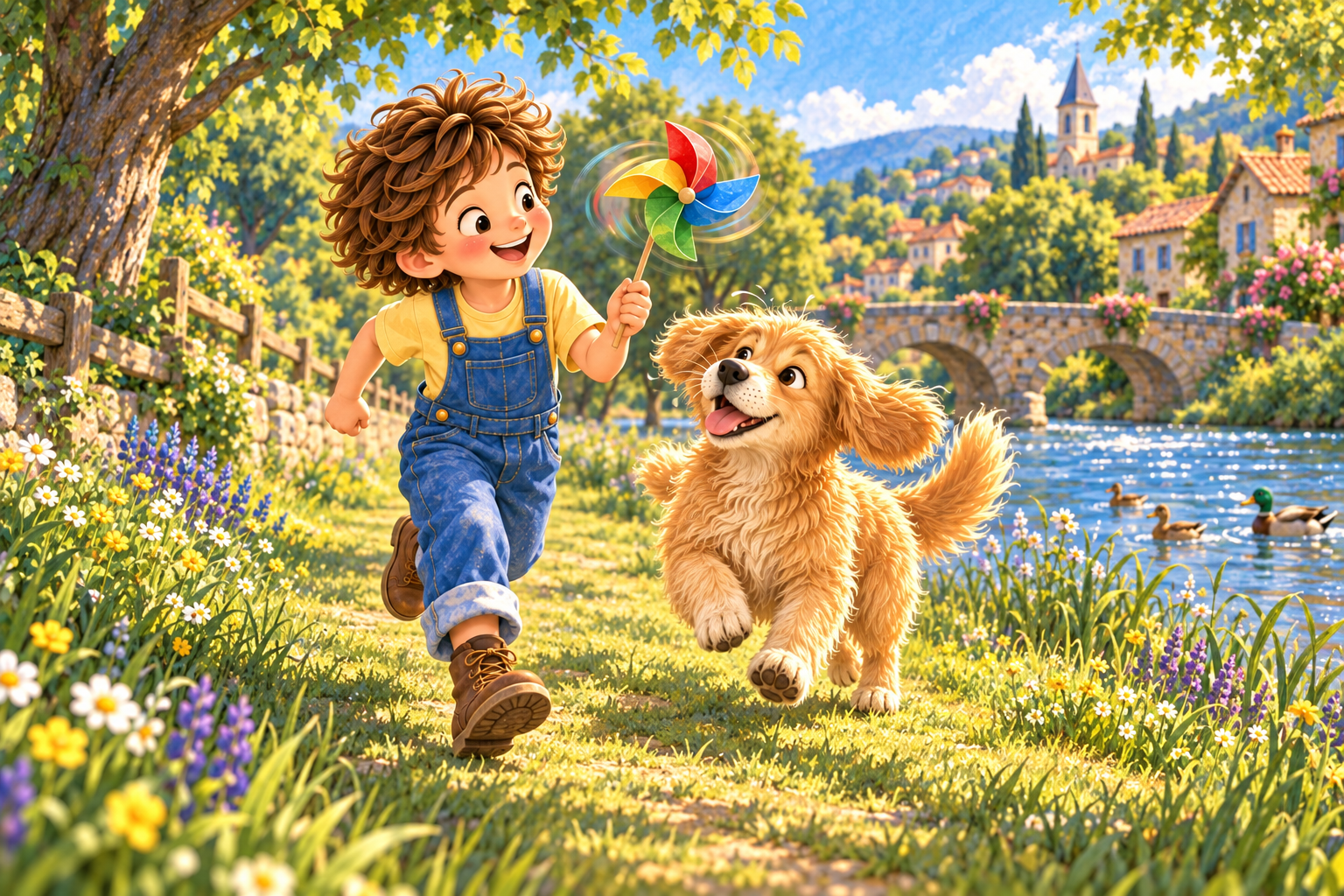
他们一起跑向河边。
小风车转得飞快,像是终于有了自己的计划。
对照英语原文
The next day, Alex picked up the ruler again.
He stood by the door.
Then he put it back.
“Come on, Buddy. I can check on things later.”
They ran down to the river.
The pinwheel spun so fast, it seemed to have a plan of its own at last.
26打开英语版
春天的小水洼干了。
凉鞋收起来了,靴子穿上了。
亚历克斯长大了,一件外套已经穿不下了。 巴迪的老习惯倒是一个也没变。
这段日子里,苗圃和修理店的人们一直在忙着干活。
有的日子,生意不错。有的日子,却不太顺利。
对照英语原文
The spring puddles dried up.
Sandals gave way to boots.
Alex outgrew a jacket. Buddy didn't outgrow a single habit.
All that time, people kept working at the nursery and the repair shop.
Some days went well. Some didn't.
27打开英语版
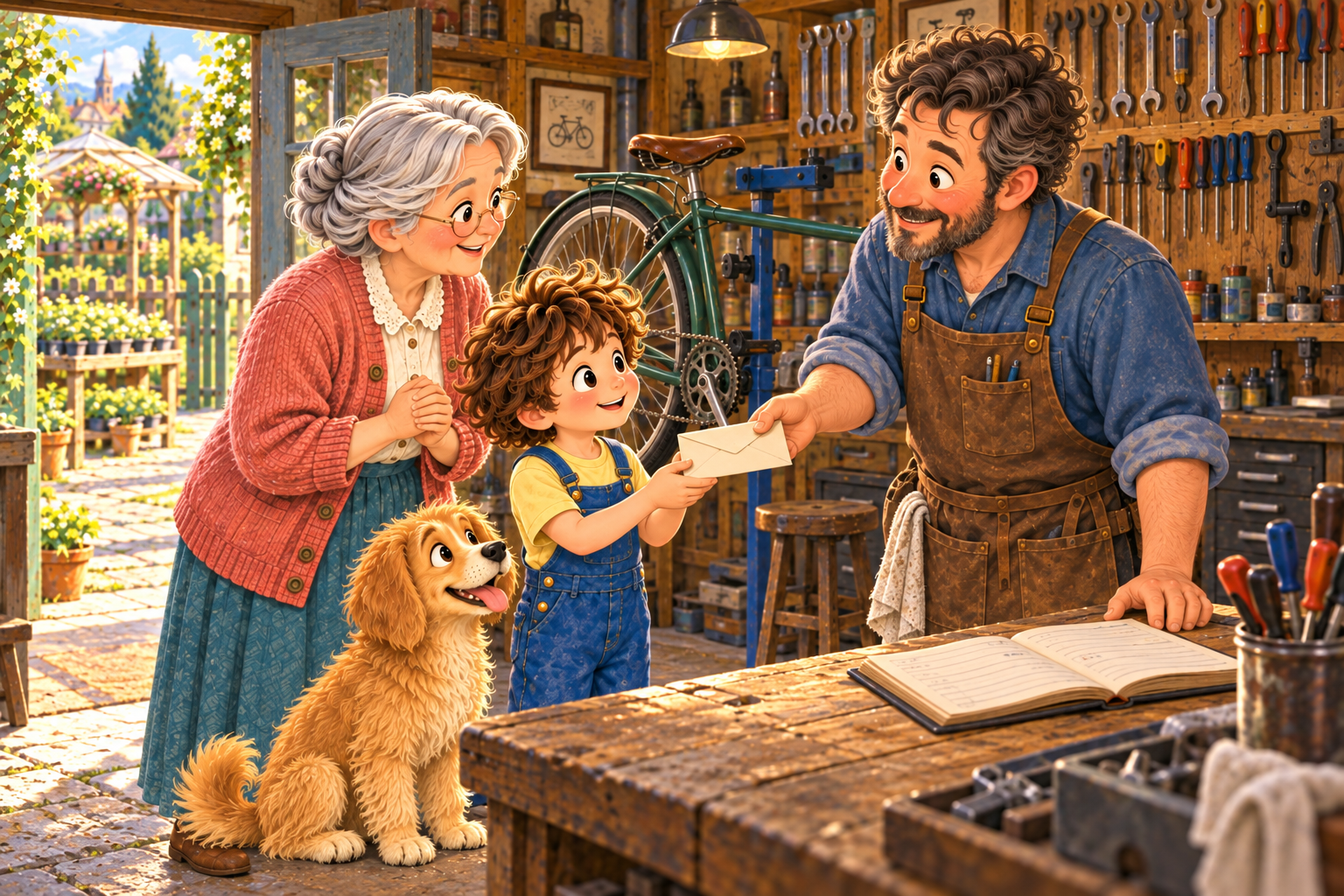
有一天,修理店付清各项开销后,剩下了一笔利润。
这门生意的主人们决定,把一部分利润分一分。 亚历克斯也分到了一小份。
“因为我等了这么久吗?”
“因为你拥有这门生意的一小份。”奶奶解释说,“人们辛苦干活,这一次,生意赚到了钱。”
对照英语原文
One day, after paying all its bills, the repair shop had made a profit.
The owners decided to share some of it. Alex received a little of it too.
“For waiting?”
“For owning a share of the business,” Grandma explained. “People worked hard, and this time the business made money.”
28打开英语版
苗圃的亏损还没有补回来。
亚历克斯也还没有买下那只大大的龙形纸风筝。
不过,现在他知道,把钱留给未来,不只有一种办法。
有些钱,留在小袋子里。
有些钱,投进了生意里。谁也不能确定,接下来会怎样。
对照英语原文
The nursery still hadn't recovered from its losses.
Alex still hadn't bought the big paper dragon.
But now he knew there was more than one way for money to wait for the future.
Some stayed in a pouch.
Some went into a business, where no one knew for certain what would happen next.
29打开英语版
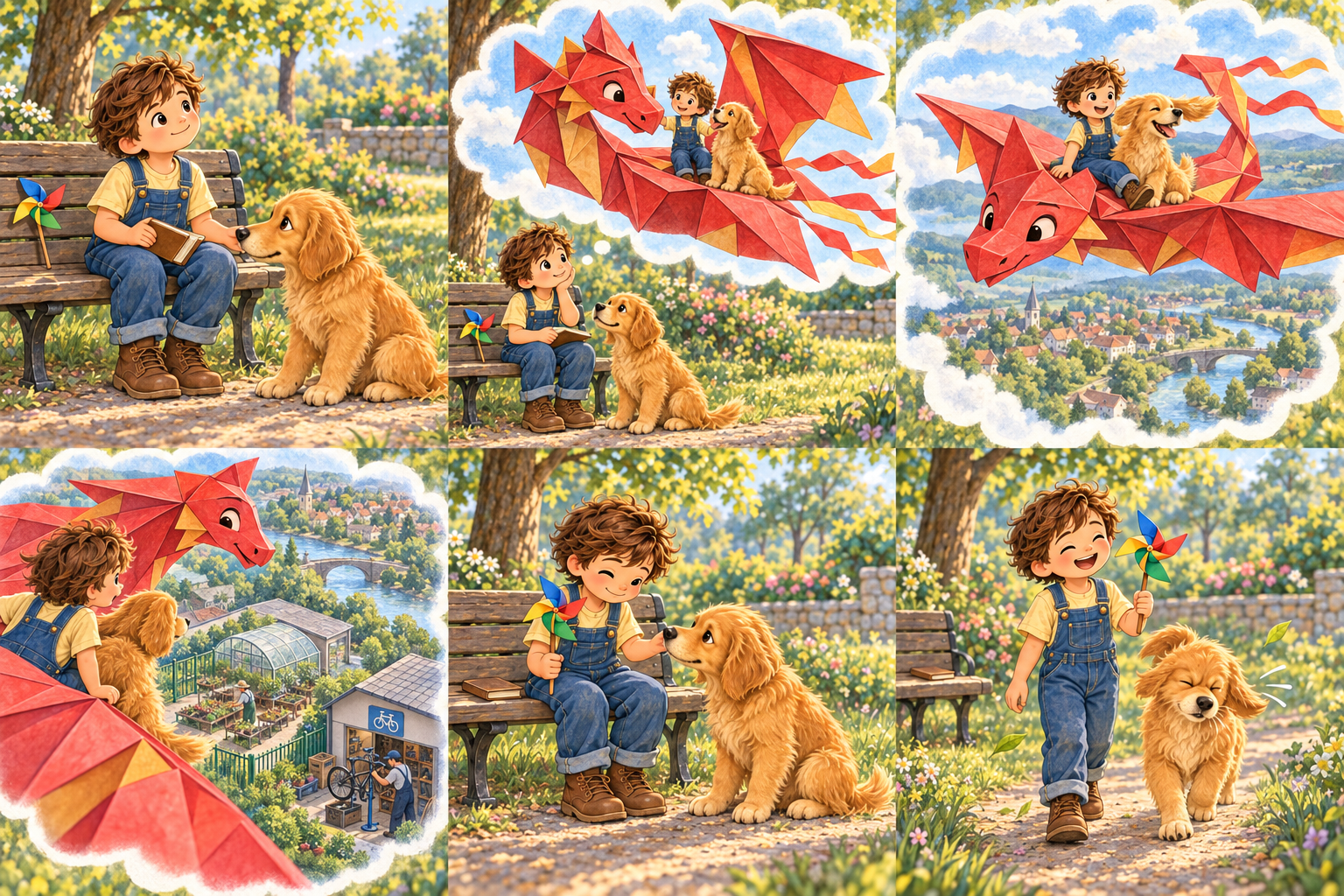
巴迪用鼻子碰了碰亚历克斯的手。
亚历克斯把本子放到一边。
要是有一天……
他想象着:那只用红纸做的龙形风筝弯下身子,欢迎他们坐上宽宽的背。接着,他们轻轻飞起,越过屋顶。巴迪的耳朵像两面小旗子一样迎风飘着。
往下看,苗圃的主人正照料着熬过霜冻的小苗。修车师傅正在修一辆自行车。亚历克斯投进去的五枚硬币,曾帮着买下种子和工具。
巴迪又用鼻子碰了碰他的手。亚历克斯眨了眨眼。
他拿起小风车。
呼呼呼!
巴迪打了个喷嚏。
他们一起散步去了。
有些美好的事,不用等到以后。
对照英语原文
Buddy nudged Alex’s hand.
Alex put his notebook aside.
What if, one day…
He imagined the red paper dragon dipping its broad back to welcome them aboard. Then up they went, gently, over the rooftops. Buddy’s ears flew like flags.
Below, the gardener tended surviving seedlings. The mechanic mended a bicycle. Alex’s five coins had helped buy seeds and tools.
Buddy nudged his hand again. Alex blinked.
He picked up his pinwheel.
Whirrr!
Buddy sneezed.
Off they went, together.
Some good things didn’t have to wait.
30打开英语版
想象一下,这十枚硬币都是你的。
哪些想现在花掉?哪些想存起来?有没有一些,你愿意在大人的帮助下,投进一门生意里?
找十颗纽扣,或者画十枚硬币。做一个自己的计划吧。
对照英语原文
Imagine these ten coins are yours.
Which would you spend now? Which would you save? Which, if any, might you put into a business with a grown-up's help?
Find ten buttons or draw ten coins. Make a plan of your own.
31打开英语版
把你的十枚游戏硬币分到三个地方:花钱、存钱、投资。哪个地方都可以空着。
不必和亚历克斯选得一样。
你想用钱做什么?愿意等多久?如果投进去的钱没能回来,你的计划会有什么变化?
把你的计划说给大人听吧。
花钱
存钱
投资可能会损失钱。
对照英语原文
Divide your ten pretend coins among three places: Spend, Save, and Invest. You can leave any place empty.
You don't have to choose what Alex chose.
What do you want your money for? How long would you be willing to wait? What would change if the money you invested didn't come back?
Tell a grown-up about your plan.
32打开英语版
给身边的大人
这个故事是邀请大家一起聊聊钱,并不是建议你把钱投到哪里。故事有意简化了买下小生意一部分所有权的过程。硬币是虚构的计数单位,亚历克斯的选择不代表家庭应该怎样分配自己的钱。
储蓄和投资是两回事。钱放在袋子里,不会自己变多。拥有一份,指的是拥有一门生意的一部分所有权,并不等于可以拿走某一朵花、某一件工具,或从收银台里取钱。
卖东西收到的钱,不等于利润:生意还要支付各项成本。生意的主人可以把利润留下来继续经营,也可以把一部分分给各位主人。也可能完全不分。故事里的这次分配,不是归还亚历克斯最初投进去的钱。
投资可能损失投入资金的一部分,也可能全部损失。把钱投进不同的生意,可以减少对单一生意的依赖,但不能消除风险。故事里的两门生意,只是让孩子初步认识这个道理。时间并不能保证投资会增长,也不能保证亏掉的钱会回来。
可以问孩子:“为什么硬币种在土里不会发芽?拥有一门生意的一份,和买下一朵花有什么不同?亚历克斯为什么要留着蓝色小袋子?”不要把孩子分配游戏硬币的选择说成“聪明”或“傻”。
孩子不需要为家里的收入负责,也不必投资。凡是涉及孩子真实钱财的决定,都需要负责任的大人参与。
对照英语原文
This story is an invitation to talk, not advice about where to invest. Buying shares in small businesses is deliberately simplified here. The coins are imaginary units, and Alex's choices are not a model for dividing up a family's money.
Saving and investing are different. Money in a pouch doesn't grow by itself. A share means part ownership of a business, not the right to take a particular flower, tool, or money from the cash register.
Sales aren't the same as profit: a business has costs to cover. The owners may keep profits in the business or distribute some to its owners. There may be no payment at all. The payment in this story is not a return of Alex's original investment.
An investment can lose some or all of the money put into it. Different investments can reduce dependence on one business, but they don't remove risk. The story's two businesses offer only a first glimpse of that idea. Time doesn't guarantee growth or recovery from a loss.
Ask: “Why won't a coin sprout in the ground? How is owning a share different from buying a flower? Why did Alex keep his blue pouch?” Avoid calling a child's choices about the pretend coins “smart” or “silly.”
A child is not responsible for the family's income and does not have to invest. Any real decisions about a child's money need a responsible adult's involvement.